
Ages 9-12
View on Amazon
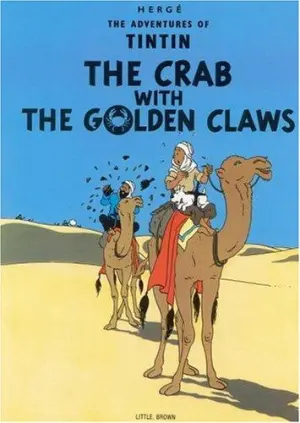
The Adventures of Tintin: The Crab with the Golden Claws
Hergé
A drug-smuggling mystery that introduces Captain Haddock.
Hergé’s Tintin has 24 albums, the last one unfinished. Here is the publication order, the stories that come in pairs, and where to begin.
The Adventures of Tintin is a series of 24 albums by the Belgian creator Hergé, following a young reporter, his dog Snowy and a growing cast of friends. The first, Tintin in the Land of the Soviets, appeared in 1930. The last, Tintin and Alph-Art, is unfinished and was released in 1986, after Hergé died in 1983.
The list below follows the order the albums were published in. In English, Egmont publishes the books in the UK and Little, Brown in the US, so listings and editions differ by country, and some titles are easier to find than others.
You can begin almost anywhere, because most albums stand alone. Many readers start with The Crab with the Golden Claws, the album that introduces Captain Haddock. A few stories are two-parters and are best read together: The Secret of the Unicorn and Red Rackham’s Treasure, The Seven Crystal Balls and Prisoners of the Sun, and Destination Moon and Explorers on the Moon.
Tintin in the Land of the Soviets, Tintin in the Congo and Tintin in America are the earliest stories. Tintin in the Congo in particular is widely criticized for its portrayal of African people, so read it with that in mind and talk it through with a young reader. It is also fine to leave the first three for later and begin with Cigars of the Pharaoh or The Crab with the Golden Claws.
0 of 24 read
Next up: Tintin in the Land of the Soviets
Newest we list: Tintin and Alph-Art. Twenty-four albums in publication order; the last, Tintin and Alph-Art, is unfinished.
Your ticks are saved in this browser only.
Amazon links are affiliate links; we may earn a commission on qualifying purchases at no extra cost to you.
Each opens an adventure that works on its own.
Hergé
A drug-smuggling mystery that introduces Captain Haddock.
Hergé
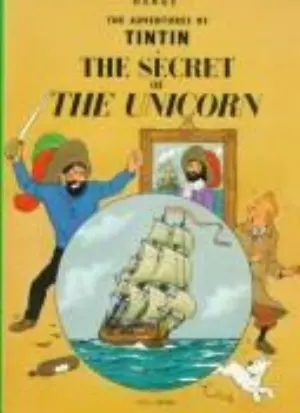
A treasure hunt that starts with a model ship.
Hergé
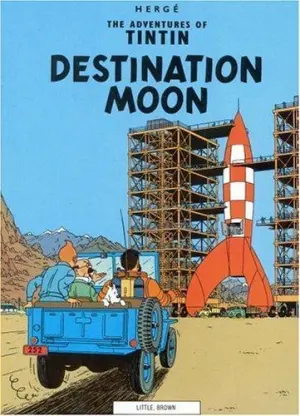
A space-race adventure with a rocket to the Moon.
Amazon links are affiliate links; we may earn a commission on qualifying purchases at no extra cost to you. We show no prices or ratings.
There are 24 Tintin albums by Hergé. The first, Tintin in the Land of the Soviets, appeared in 1930, and the last, Tintin and Alph-Art, is unfinished and was released in 1986 after Hergé’s death in 1983. Most readers treat the 23 finished albums as the series and read Alph-Art as an extra.
Publication order is the simplest: start with Tintin in the Land of the Soviets and end with Alph-Art. Because most albums stand alone, you can start anywhere. Read the paired stories together: Secret of the Unicorn with Red Rackham’s Treasure, Seven Crystal Balls with Prisoners of the Sun, and Destination Moon with Explorers on the Moon.
The Crab with the Golden Claws is a popular first pick because it introduces Captain Haddock and is a complete adventure. The Secret of the Unicorn is a good choice if you want a mystery and a treasure hunt. Both are written so a new reader can follow them without earlier books.
No. Most albums are self-contained, and characters are reintroduced as the story needs them. The exceptions are the paired stories, which you should read one after the other. If you want to watch the art and cast develop over time, publication order is the way to do it.
We place the Tintin albums in our ages 9 to 12 band. They are adventure stories with some comic violence, and the earliest albums contain outdated and offensive depictions, notably in Tintin in the Congo. Look through an album before giving it to a child, and be ready to talk about the older ones.
Egmont publishes the books in the UK and elsewhere, and Little, Brown publishes them in the US. Availability and editions vary by country, and some albums are sold in omnibus volumes that bundle several stories. Check the listing to see which stories a volume holds before you buy it.