




Adult
View on Amazon
Maus: A Survivor's Tale
Art Spiegelman
A graphic memoir about the Holocaust, told with animal characters.
Comics have a long history of newspaper strips, pulp-era heroes, censorship fights and a recent boom in graphic novels and manga.
Modern American comic books grew out of newspaper strips and began to take their present form in the 1930s. Superman first appeared in Action Comics #1, cover-dated June 1938, and Batman followed in Detective Comics #27 in 1939. Historians call the next decade or so the Golden Age.
In 1954 publishers adopted the Comics Code Authority, a self-censorship system created after public criticism of comics. Superhero comics returned in force in the mid-1950s, a period called the Silver Age, and Marvel’s Fantastic Four #1 in 1961 helped define the next wave. The dates for the eras differ slightly depending on the historian.
In the decades since, comics split into several streams: independent and underground publishers, graphic memoirs such as Maus, a large manga market in translation, and children’s graphic novels in school and library collections. This hub collects our history guides. Pair them with our collecting pages if you want to know why certain issues are valuable.
Era names are conventions rather than strict dates, so expect different sources to place the boundaries a few years apart.
Art Spiegelman
A graphic memoir about the Holocaust, told with animal characters.
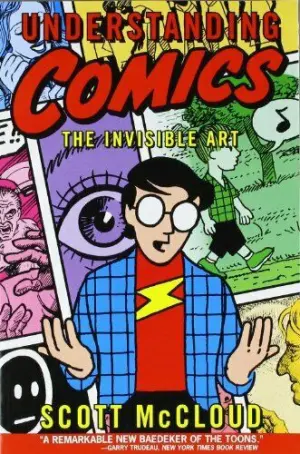
Scott McCloud
An explanation of how comics work, told as a comic.
Amazon links are affiliate links; we may earn a commission on qualifying purchases at no extra cost to you. We show no prices or ratings.
A ranked list of ten comics that shaped the medium and still earn new readers, with a plain reason for each.
GuideA practical path for anyone picking up comics for the first time: formats, where to borrow or buy, how to read a page, and first books by taste.
It depends on the definition. Famous Funnies, first sold on newsstands in 1934, is often called the first modern American comic book, since it was a standalone periodical of comic strip reprints. Earlier collections and magazines also existed, so histories differ on where to draw the line.
Superman debuted in Action Comics #1, cover-dated June 1938. Batman debuted in Detective Comics #27, cover-dated May 1939. Both were published by the company that later became DC Comics, and both appearances are among the most valuable comics in the hobby.
They are labels for periods in American comics. The Golden Age runs from the late 1930s into the 1950s, the Silver Age from the mid-1950s into the early 1970s, and the Bronze Age after that. Historians place the borders slightly differently, so treat the years as approximate.
It was a set of content rules adopted by American comic publishers in 1954 and enforced by the Comics Code Authority. Many retailers would not carry books without its seal. Publishers gradually abandoned it, and it had effectively ended by 2011 when the remaining major publishers stopped using it.
Manga is Japanese comics. It is traditionally printed right to left, often in black and white, and published as numbered volumes that collect chapters first run in magazines. American comics are read left to right, usually in color, and have long been built around monthly issues.