




Adult
View on Amazon
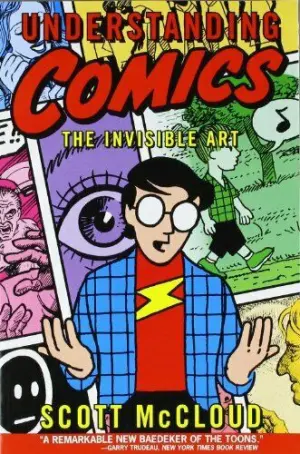
Understanding Comics: The Invisible Art
Scott McCloud
An explanation of how comics work, told as a comic.
Whether you inherited a box or you collect on purpose, these guides explain how comics are valued and how to keep them in good shape.
Most comics are worth far less than people hope, and a few are worth a lot. What decides it is the issue itself (a first appearance or a key event), its condition, and how many copies survive. Cover price and age matter less than you might expect.
To get a sense of value, look at what comparable copies have actually sold for, not at asking prices. Price guides such as the Overstreet guide give a starting range, and sold listings on auction sites show what buyers paid recently. Professional grading by a service such as CGC can add value to a valuable book, but the fee is rarely worth it for an ordinary one.
Condition begins with storage. Acid-free bags and backing boards, upright boxes, and a cool, dry and dark place protect paper from creasing, light and damp. Our price guide and storage guide go through the steps, and we are adding a value checker and a supplies calculator to them.
Check sold listings for your exact issue and condition before you decide a comic is valuable, or worthless.
Scott McCloud
An explanation of how comics work, told as a comic.
Amazon links are affiliate links; we may earn a commission on qualifying purchases at no extra cost to you. We show no prices or ratings.
Are your comics worth anything? Try the checker, then learn what moves a price, where to check real sales and when grading is worth it.
GuideHow to protect comics from acid, damp, light and pressure with ordinary supplies, plus a calculator for how many bags, boards and boxes you need.
CGC grades comics from 0.5 to 10.0. Here is every grade in one table, what the label colors mean and when grading makes sense.
CollectingThe right place to sell depends on what you have. Here are the main options, what each suits, and how to prepare your comics first.
CollectingA key issue is one collectors look for. Here is what makes an issue a key, eleven famous examples, and the limits of the label.
Gift guideGifts for kids, manga fans, superhero readers, newcomers and collectors. Pick the person, check the age note, and give a first volume.
Formats explainedA trade paperback collects a story; an omnibus collects a whole run. Here is how they differ, and which to buy.
Probably some are worth a few dollars, and a small share may be worth more. Look for first issues, first appearances of famous characters, older books in good condition, and any with a price on the cover above a few dollars. Check sold listings for each one before you sell or throw away a box.
Identify the exact issue, publisher, year and condition, then look up recent sold listings for matching copies. Price guides such as Overstreet and database sites like GoCollect and CovrPrice give ranges. Asking prices alone are unreliable, since the final price paid is what sets the market.
A key issue is one collectors treat as especially important, usually a character’s first appearance, an origin story, a first issue or a major event. Demand for these issues is higher than for the rest of a run, though prices move with film and television news as well as scarcity.
Grading, by services such as CGC, seals a comic in a case with a numbered condition grade, which can raise buyer confidence. It costs a fee and takes time, so it usually only makes sense for comics already worth a meaningful amount, or ones you plan to sell or hold long term.
Manufacturer listings for BCW cardboard short boxes give a capacity of roughly 150 to 175 current or Silver Age comics, bagged and boarded. Capacity varies with the comic’s size and thickness, so treat it as a guide, and see our storage guide for sizes and supplies.
Keep each comic in an acid-free bag with a backing board, stand them upright in a box without cramming them, and store the box somewhere cool, dry and dark. Avoid attics, garages and damp basements, where heat and humidity damage paper.