
Teen
View on Amazon
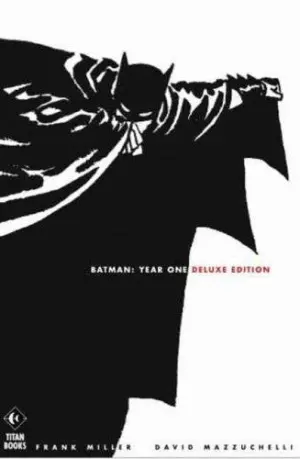
Batman: Year One
Frank Miller, David Mazzucchelli
A grounded origin of Batman and Jim Gordon in a noir Gotham.
Comics are easy to enjoy once you know the formats and where to start. These guides cover the basics in plain language.
If you have never read a comic, a few small choices make the first one much easier. Choose a single, bound book rather than a monthly issue. Pick a genre you already like. Borrow it first if you can, since many libraries lend comics and graphic novels in print and through their digital apps.
Reading a page is not hard. Panels run in the same direction as the text of the language: left to right and top to bottom for English comics, right to left for manga. Captions and speech balloons are read in the order they sit on the page, and the art tells you what the words do not.
These guides explain formats such as single issues, trade paperbacks and omnibus editions, then point to accessible first reads. They also cover the independent comics that fall outside the superhero shelf. When you are ready to choose something specific, the Comic Finder can narrow it down.
Do not start with issue #1 of a long-running series. Start with a story that was written to be read as a whole.
Frank Miller, David Mazzucchelli
A grounded origin of Batman and Jim Gordon in a noir Gotham.
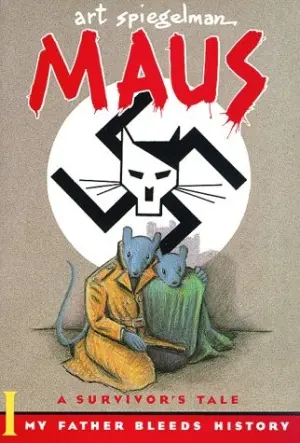
Art Spiegelman
A graphic memoir about the Holocaust, told with animal characters.
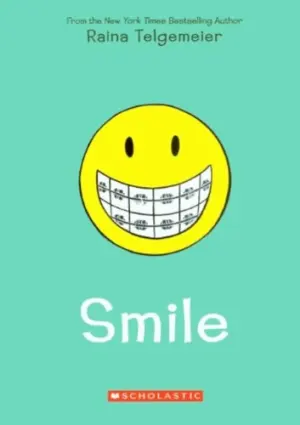
Raina Telgemeier
A memoir about braces, a dental accident and middle-school friendships.
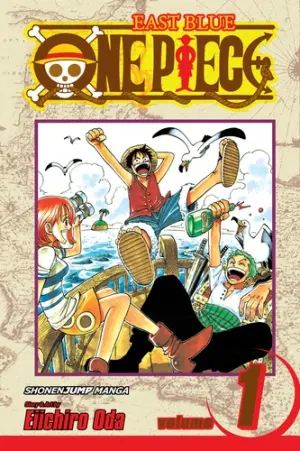
Eiichiro Oda
A straw-hatted boy sets out to become Pirate King.
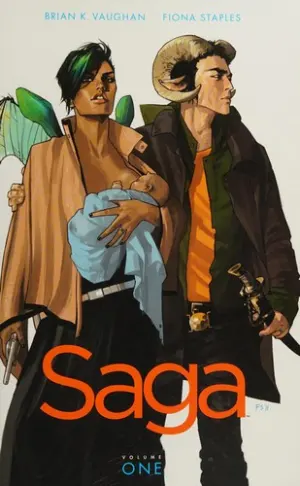
Brian K. Vaughan, Fiona Staples
A space-opera family story with adult content.
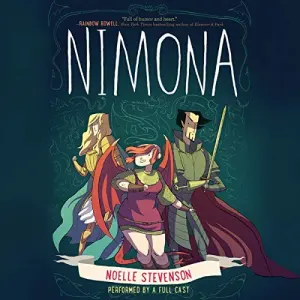
Noelle Stevenson
A shapeshifting teenager signs on as a supervillain's sidekick in a funny-turns-serious fantasy.
Amazon links are affiliate links; we may earn a commission on qualifying purchases at no extra cost to you. We show no prices or ratings.
A practical path for anyone picking up comics for the first time: formats, where to borrow or buy, how to read a page, and first books by taste.
GuideCreator-owned comics from Image, Dark Horse, IDW and self-publishers: original worlds, no decades of continuity, and plenty that are finished.
GuideA path through graphic novels that hold up as complete stories, sorted by the kind of reading experience you want, with picks for adults and newcomers.
Pick a complete story in one bound book, ideally in a genre you already enjoy. Borrow it from a library or buy a paperback. Read the panels in order, left to right and top to bottom for most English-language comics. If you like it, look for more by the same creators.
In English-language comics, read each row from left to right, then move down to the next row. Speech balloons within a panel are read in the same order. In manga the direction is reversed: right to left, then down. Art and layout normally guide your eye.
A single issue is one thin monthly installment. A trade paperback collects a few issues into a book, and an omnibus collects many in a large volume. For new readers, a trade or a complete graphic novel is the simplest way in, since the story is whole and no issue is missing.
Your public library is the best place. Many libraries lend print comics and also offer digital lending through apps such as Libby, and some use hoopla. The selection and monthly limits differ by library, so check your library’s digital collection or ask a librarian.
Numbered series, such as most manga and kids’ graphic novels, are written to be read in volume order. Standalone graphic novels need no order. Superhero characters have loose reading orders, but many collected stories are written for new readers and can be read first.