
X-Men reading order
The X-Men have been in print since 1963, so there is no one correct order. Here is a short, honest starting path and a checklist.
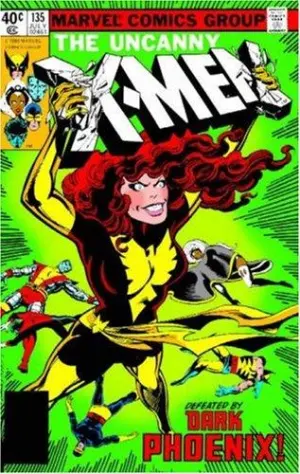
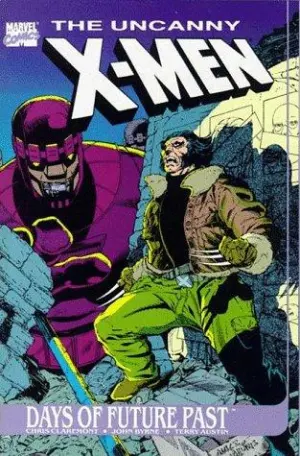
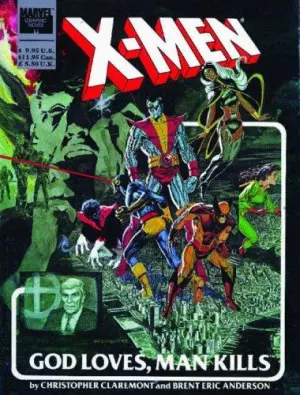
The X-Men were created by writer Stan Lee and artist Jack Kirby, and X-Men #1 carries a cover date of September 1963. In 1975 writer Len Wein and artist Dave Cockrum launched a new team in Giant-Size X-Men #1, and Chris Claremont took over the writing from issue #94 and stayed for about sixteen years. Most of what people call classic X-Men comes from that run.
Because the line has been rebooted, renumbered and relaunched many times, nobody can hand you a single list that covers everything. The checklist below is our starting path instead: seven collected stories that each work as a first read, in roughly the order they came out.
How to use the path
Read the first two or three and see whether the characters grab you. The Dark Phoenix Saga and Days of Future Past are the best-known Claremont stories, and Days of Future Past was made by Claremont and John Byrne straight after the Dark Phoenix Saga. Grant Morrison’s New X-Men began in July 2001 and Joss Whedon and John Cassaday’s Astonishing X-Men began in July 2004, and both were written to be easy to join.
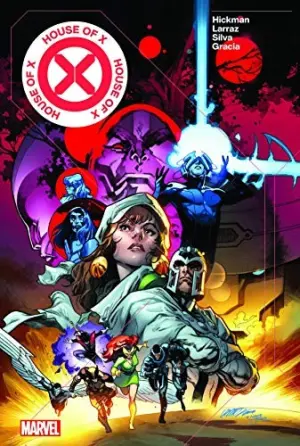
House of X and Powers of X, written by Jonathan Hickman, was announced in May 2019 as a relaunch of the whole line, so it is a good modern doorway. It is a bigger jump if you know nothing about the team, so many readers save it for later.
X-Men starter path checklist
0 of 7 read
Next up: X-Men: The Dark Phoenix Saga
Newest we list: House of X/Powers of X. This is a starting path, not a complete reading order: the X-Men have been published since 1963.
- View on Amazon
- View on Amazon
- View on Amazon
- View on Amazon
- View on Amazon
- View on Amazon
- View on Amazon
Your ticks are saved in this browser only.
Amazon links are affiliate links; we may earn a commission on qualifying purchases at no extra cost to you.
New to the X-Men? Try Days of Future Past or Astonishing X-Men: Gifted first. Both are short and self-contained.
Most of these books are written for teen readers and older. Check the listing before buying for a younger child. For other Marvel starting points, see our best Marvel comics guide, or go straight to the best X-Men comics.
Questions people ask
Where should I start reading the X-Men?
Start with one complete story rather than issue #1 of a long run. Days of Future Past is short and famous, Astonishing X-Men: Gifted is written for new readers, and New X-Men by Grant Morrison suits people who want something stranger. Our checklist lists seven starting points, in roughly the order they were published.
Is there one correct X-Men reading order?
No. The X-Men have been published since 1963 across many series, relaunches and renumberings, so a single order would be a guess. Readers usually follow one writer’s run or a set of key stories. That is why our checklist is labelled a starting path, not a complete order.
Who created the X-Men?
Writer Stan Lee and artist Jack Kirby created the X-Men, and X-Men #1 has a cover date of September 1963. Chris Claremont later wrote the series for about sixteen years starting with issue #94, working with artists such as Dave Cockrum and John Byrne, and he shaped the version of the team most readers know.
Do I need to read old comics before House of X?
No, though it helps. House of X and Powers of X was announced in May 2019 as a relaunch, and writer Jonathan Hickman wrote it so newcomers could follow. It does lean on years of history, so you may enjoy it more after a classic story such as Days of Future Past. Try it either way.
What is the best X-Men comic for a new reader?
Many people suggest Astonishing X-Men: Gifted by Joss Whedon and John Cassaday because it introduces the team and builds a single story, and Days of Future Past because it is short. Opinions differ, so we list several. Pick the tone you like: classic adventure, strange science fiction or a modern relaunch.
What age are the X-Men comics for?
We place the books on this page in our teen band, because they contain superhero violence and some mature themes. They are not written for young children. Publishers give their own age ratings on each listing, so check it and look through a copy first if you are buying for a reader under about thirteen.