
Key comic book issues
A key issue is one collectors look for. Here is what makes an issue a key, eleven famous examples, and the limits of the label.
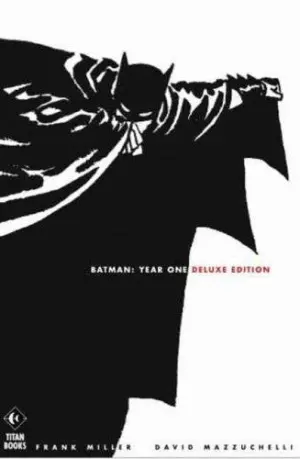
A key issue is a comic that matters for a reason collectors care about. The most common reason is a first appearance: the first time a character shows up. Other reasons include an origin story, a major event, a character’s death, a number one issue or the start of an important run.
First appearances are not all equal. A cameo is a brief look at a character, and a first full appearance is the issue where they actually take part. Wolverine is a good example: he had a one-panel preview in The Incredible Hulk #180, but most sources treat #181 as his first appearance.
Eleven well-known keys
| Issue | Year | Why it is a key |
|---|---|---|
| Action Comics #1 | 1938 | First appearance of Superman. |
| Detective Comics #27 | 1939 | First appearance of Batman (and Commissioner Gordon). |
| Batman #1 | 1940 | First appearances of the Joker and Catwoman. |
| Fantastic Four #1 | 1961 | First appearance of the Fantastic Four, often seen as the start of modern Marvel. |
| The Incredible Hulk #1 | 1962 | First appearance of the Hulk. |
| Amazing Fantasy #15 | 1962 | First full appearance of Spider-Man. |
| X-Men #1 | 1963 | First appearance of the X-Men, by Stan Lee and Jack Kirby. |
| The Incredible Hulk #181 | 1974 | First full appearance of Wolverine (a cameo is in #180). |
| Giant-Size X-Men #1 | 1975 | Introduces the new X-Men team, including Storm, Colossus and Nightcrawler. |
| Teenage Mutant Ninja Turtles #1 | 1984 | First appearance of the Turtles, by Kevin Eastman and Peter Laird. |
| The Walking Dead #1 | 2003 | The first issue of Robert Kirkman’s series, which ran to #193 in 2019. |
Key does not always mean valuable
Calling an issue a key tells you why people want it, not what it is worth. Condition matters a great deal, because a worn copy of a famous issue is a very different object from a sharp one. Print runs, variants and reprints matter too: a modern reprint of a famous cover is not the original issue.
To judge a specific copy, identify the issue and any variant marking, check its condition against our CGC grading scale, and compare recent sold listings. Our value checker walks through these steps, and you can see where to sell once you know what you have.
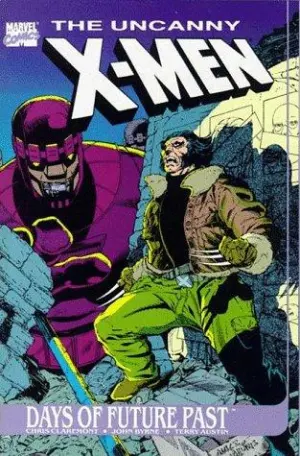
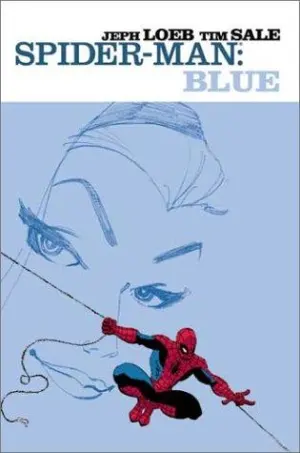
You do not need the original issue to read a key story. Collected editions such as Days of Future Past or Spider-Man: Blue are the affordable way to read the great stories.
Questions people ask
What is a key comic book issue?
A key issue is a comic that collectors seek because of something important in it. The most common reason is the first appearance of a character, but origin stories, major events, deaths, number one issues and the start of famous runs can also make an issue a key. Whether a key is valuable depends on its condition and how many copies exist.
What is the difference between a cameo and a first appearance?
A cameo is a brief look at a character, sometimes a single panel. A first full appearance is the issue where the character takes part in the story. Wolverine had a one-panel preview in The Incredible Hulk #180, and most sources treat #181 as his first appearance. Collectors often care about both but pay more attention to the full one.
Is Action Comics #1 the most important comic?
Many sources call it the most important comic, because it is Superman’s first appearance and it helped launch the superhero genre. Detective Comics #27, the first Batman story, is usually named alongside it. Importance and value are different things, though, and both depend on whether you are talking about the story, the history or a specific copy.
Does key mean valuable?
No. A key issue is one that people want, but its worth depends on condition, print run, variants and demand at the moment. A worn copy of a famous issue and a reprint are very different from a sharp original. Compare recent sold listings for your exact issue and grade, and treat asking prices with caution.
How do I know if my comic is a key issue?
Look up the issue number and title in a price guide or a database site and see whether it is listed as a first appearance or other key. Our key issues table covers eleven famous ones. Check the publisher and year too, since reprints and later printings of famous issues exist. Our value checker walks you through the steps.
Where can I read key stories without buying the original?
Collected editions reprint the stories in modern paperbacks, and they are the affordable way to read them. For example, X-Men: Days of Future Past and Spider-Man: Blue are both in our catalog. Look for a reprint that names the original issues in its description. Libraries also carry many of them.